


08-06-2026
How an SEO How Does Lead Generation Differ from Sales
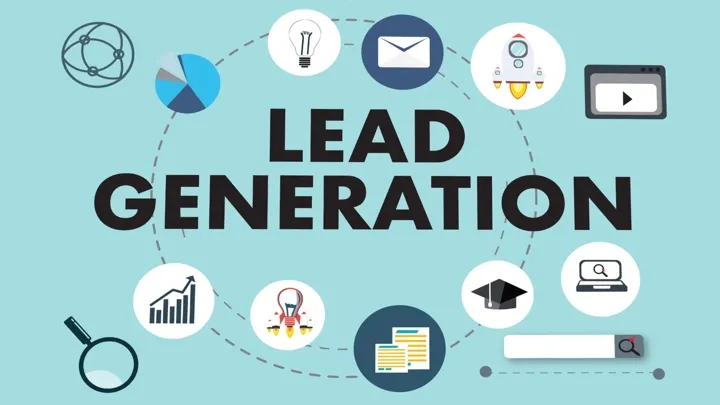
In today’s competitive business environment, understanding the difference between lead generation and sales is essential for sustainable growth. Many businesses often confuse the two or use them interchangeably, but they serve distinct purposes within the overall marketing and revenue process. Whether you are working with a marketing team or exploring services from lead generation companies in dubai, knowing how these functions differ can help you build a more effective strategy.
Both lead generation and sales are crucial, but they operate at different stages of the customer journey. When aligned properly, they create a seamless process that attracts, nurtures, and converts potential customers into loyal clients.
Understanding Lead Generation
Lead generation is the process of attracting and capturing interest in a product or service. It focuses on identifying potential customers and encouraging them to express interest, typically by sharing their contact information.
This stage is all about awareness and engagement. Businesses use various channels such as content marketing, social media, email campaigns, and paid advertising to reach their target audience.
The goal of lead generation is not to close a deal immediately but to create a pool of prospects who may become customers in the future.
Understanding Sales
Sales, on the other hand, is the process of converting leads into paying customers. It involves direct interaction with prospects, understanding their needs, and persuading them to make a purchase.
Sales teams focus on building relationships, addressing objections, and guiding prospects through the decision-making process. Their primary objective is to close deals and generate revenue.
While lead generation creates opportunities, sales turn those opportunities into actual business results.
Key Differences Between Lead Generation and Sales
The most fundamental difference lies in their purpose. Lead generation aims to attract and capture interest, while sales focus on conversion.
Lead generation operates at the top of the funnel, where potential customers are just becoming aware of a brand. Sales operate at the bottom of the funnel, where prospects are ready to make a decision.
Another key difference is the approach. Lead generation uses indirect methods such as content and advertising, whereas sales involve direct communication and personalized interaction.
Role in the Marketing Funnel
The marketing funnel is divided into stages, and both functions play specific roles.
Lead generation is responsible for the awareness and interest stages. It brings potential customers into the funnel and nurtures them until they are ready for the next step.
Sales take over during the consideration and decision stages. They engage with qualified leads and guide them toward making a purchase.
This division ensures that each stage is handled effectively.
Importance of Lead Quality
Not all leads are equal, and this is where the connection between lead generation and sales becomes critical.
High-quality leads are more likely to convert, making the sales process smoother and more efficient. Poor-quality leads, on the other hand, can waste time and resources.
A strong lead generation strategy focuses on targeting the right audience and qualifying leads before passing them to the sales team.
Collaboration Between Teams
For a business to succeed, lead generation and sales teams must work closely together. Misalignment between these functions can lead to missed opportunities and inefficiencies.
Marketing teams need feedback from sales teams to understand which leads are converting and why. This information helps refine targeting and improve campaigns.
Similarly, sales teams rely on marketing to provide a steady flow of qualified leads.
Tools and Techniques Used
Lead generation relies heavily on digital tools such as SEO, social media platforms, email marketing software, and landing pages. These tools help attract and capture potential customers.
Sales teams use CRM systems, communication tools, and analytics to manage relationships and track progress.
While the tools may differ, both functions depend on data and technology to improve performance.
Timeframe and Results
Lead generation is often a long-term process. It involves building awareness, nurturing relationships, and gradually moving prospects through the funnel.
Sales, however, are more immediate. The focus is on closing deals and generating revenue within a shorter timeframe.
Balancing short-term sales goals with long-term lead generation efforts is essential for sustained growth.
Metrics and Measurement
The success of lead generation is measured using metrics such as website traffic, click-through rates, and the number of leads captured.
Sales performance is measured through metrics like conversion rates, revenue, and customer acquisition costs.
Tracking these metrics helps businesses evaluate effectiveness and make data-driven decisions.
Challenges in Lead Generation
One of the main challenges in lead generation is attracting the right audience. Without proper targeting, businesses may generate leads that are unlikely to convert.
Another challenge is maintaining engagement. Prospects may lose interest if they are not nurtured effectively.
Overcoming these challenges requires a well-planned strategy and consistent effort.
Challenges in Sales
Sales teams often face challenges such as handling objections, building trust, and closing deals in a competitive market.
They must also manage multiple prospects and prioritize their efforts effectively.
Strong communication skills and a deep understanding of customer needs are essential for overcoming these challenges.
Importance of Alignment
Alignment between lead generation and sales is crucial for maximizing results. When both teams work toward the same goals, the entire process becomes more efficient.
Clear communication, shared objectives, and regular feedback help ensure alignment.
This collaboration leads to better lead quality, higher conversion rates, and improved customer satisfaction.
Role of Digiverse
Digiverse plays a significant role in helping businesses bridge the gap between lead generation and sales. By offering strategic solutions, Digiverse ensures that businesses attract the right audience and convert them effectively.
With expertise in digital marketing and customer acquisition, Digiverse helps companies build strong pipelines of qualified leads. Their approach focuses on data-driven strategies and continuous optimization, ensuring measurable results.
By aligning marketing and sales efforts, Digiverse enables businesses to achieve sustainable growth.
When to Focus on Lead Generation vs Sales
The focus on lead generation or sales depends on the stage of the business.
Startups and new businesses often prioritize lead generation to build awareness and attract potential customers.
Established businesses may focus more on sales to maximize revenue and expand their customer base.
However, both functions should always work together to ensure long-term success.
Building a Balanced Strategy
A successful business strategy integrates both lead generation and sales seamlessly. This involves creating a clear process for capturing, nurturing, and converting leads.
Investing in the right tools, training teams, and maintaining alignment are key components of this strategy.
A balanced approach ensures that businesses can attract new customers while retaining existing ones.
Conclusion
Lead generation and sales are two distinct yet interconnected functions that play a vital role in business growth. While lead generation focuses on attracting and nurturing potential customers, sales are responsible for converting them into paying clients.
Understanding the differences between these functions helps businesses create more effective strategies and improve overall performance. In competitive markets, aligning these efforts is essential for achieving sustainable success.
With the support of experienced partners like Digiverse, businesses can optimize both lead generation and sales processes, ensuring a steady flow of opportunities and consistent revenue growth.
Frequently Asked Questions
What is the main difference between lead generation and sales
Lead generation focuses on attracting potential customers, while sales focus on converting them into paying clients.
Why is lead quality important
High-quality leads are more likely to convert, making the sales process more efficient.
Can a business succeed without lead generation
No, without lead generation, there are no new prospects to convert into customers.
How do lead generation and sales teams work together
They collaborate by sharing data, feedback, and goals to improve overall performance.
What role does Digiverse play in this process
Digiverse helps businesses attract qualified leads and convert them through strategic marketing solutions.